The Importance of Being Chill
SoCal is famously 🤙 chill ✌️, but is it chill enough to grow stone fruit? We’re talking about the chill hours that stone fruit (peach, apricot, cherry, etc.) and other deciduous fruit trees like apples & pears require in order to bear fruit each year.
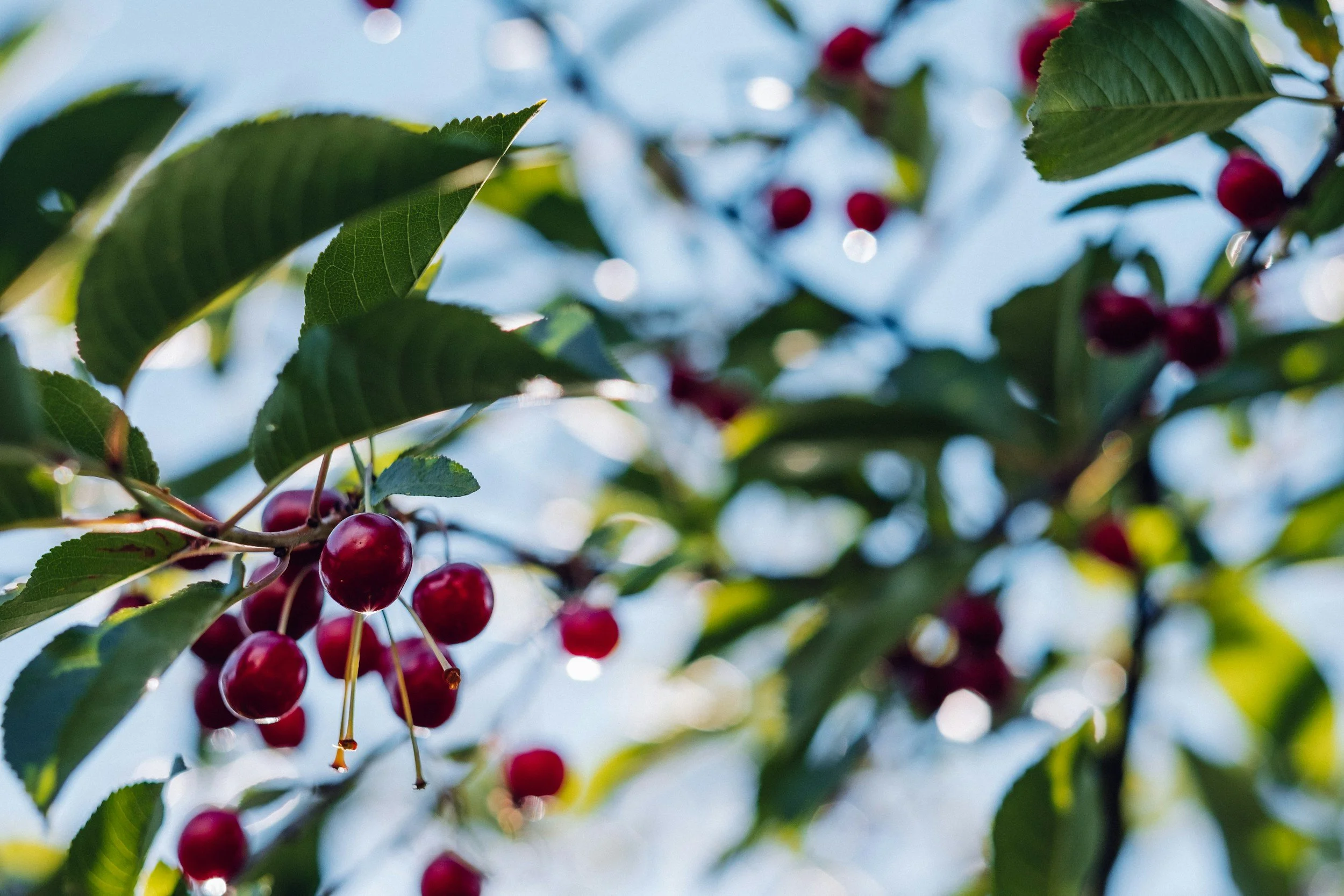
Most cherry varieties require more chill hours than Los Angeles can offer.
As Southern California winters get shorter and warmer thanks to climate change, many varieties of fruit trees aren’t getting the minimum number of chill hours needed to produce fruit in spring & summer.
What are chill hours?
Chill hours are the total number of hours of cold temperatures (typically between 32°F and 44°F) that a deciduous fruit tree needs to experience during winter in order to flower and produce fruit come spring. Chill hours are sort of like REM sleep for trees. If a tree doesn't get sufficient chill hours during winter dormancy, they're not going to be their best selves during the growing season. They will likely still produce fruit (assuming a moderate amount of chill) but they won't give a full harvest—and sometimes, they might not produce any fruit at all.
Chill hours in Los Angeles
While Los Angeles’ Meditterranean climate allows us to grow a notably wide variety of fruit trees here, the year-round warmth isn’t conducive to growing certain varieties of trees that require higher chill hours. For instance, Los Angeles winters generally top out around 300 chill hours, and most cherry varieties require 500-700 chill hours. (So, while we definitely have Michigan beat in the lemon and avocado game, we can’t really compete with their cherries and apples.)
When it comes to planting new fruit trees in Los Angeles, we always recommend choosing “low-chill” varieties. (This year, we got less than 300 chill hours, so the lower the better!) Here are some examples:
Apricots: Gold Kist (300 hrs), Katy (200-300 hrs)
Plums: Santa Rosa (300-400 hrs), Scarlet Beauty (150 hrs)
Peaches: Desert Gold (200 hrs), Babcock White (250-300 hrs), Stark Saturn (200-300 hrs)
Nectarines: Desert Delight (100-200 hrs), Panamint (250-300 hrs)
Apples: Anna (200 hrs), Dorsett Golden (100-250 hrs)
Pears: Hood (100-250 hrs), Shinseiki (250-400 hrs)
Heat wave in February? So not chill.
But even if you only plant low-chill fruit trees, sometimes Mother Nature comes through with a mid-winter heat wave that ruins even the best laid plans for a fruitful summer. These high temperatures wake the trees up early and effectively end the winter chill hour count. This is exactly what happened this year (Feb 2026) and is why you’re likely not seeing much fruit on your apricot and plum trees :(
What can SoCal fruit lovers do in the meantime?
Buy stone fruit from your local farmer’s market (their orchards are usually a couple of hours away in cooler microclimates).
Be sure to check chill hour requirements before buying any new fruit trees. Many local nurseries still sell trees with high chill hours, so it’s very important to do your own research prior to purchasing. A great resource for this is the Dave Wilson Nursery site.
Pray for more rain and cold temperatures this upcoming winter so that hopefully next year we’ll all get bountiful harvests!