The Who’s Who of Bugs—and How to Handle Them
As temperatures rise, so does pest activity in your fruit trees. While some bugs are a bigger deal than others, they’re all helpful messengers of your tree’s overall health. Read on to learn who’s worth worrying about and how to fight them off, naturally!
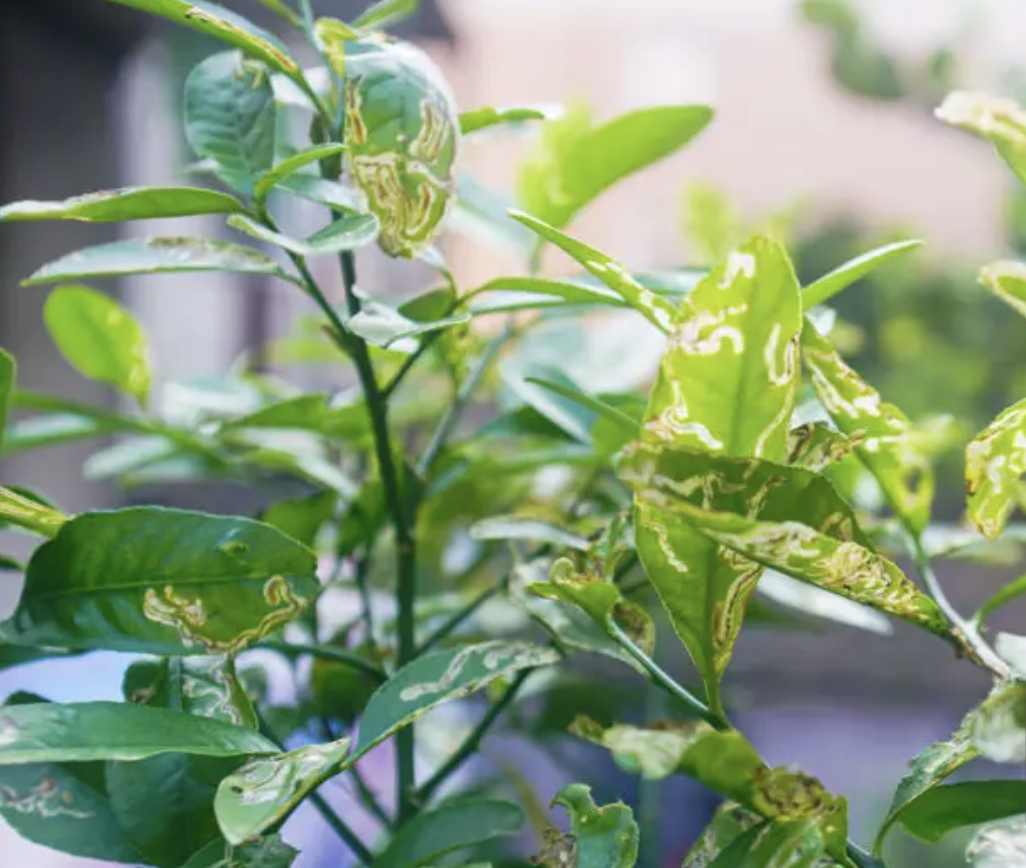
Fret not: leaf miner is a minor issue :)
Fine bugs
Spiders are your friends! They eat many of the bugs listed below and help keep your tree’s ecosystem in check.
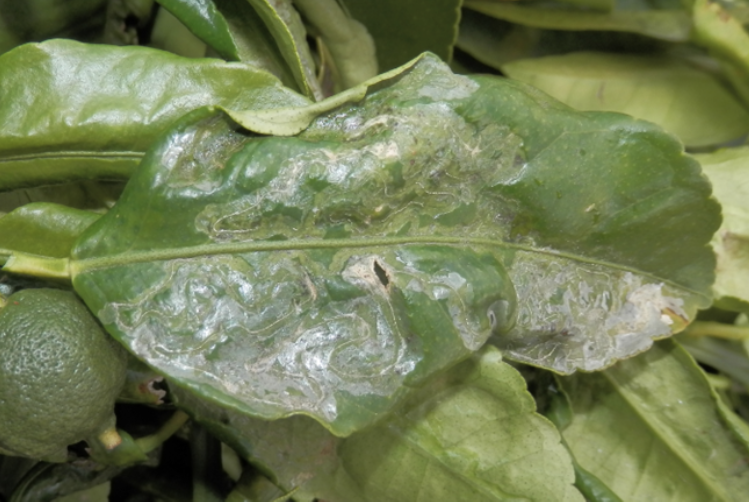
Leaf Miner is a minor concern. They’re pretty common on citrus, but are only an issue if present on more than 40% of your tree’s canopy. (If they’re majorly mining most of the tree’s leaves, it can start to compromise that tree’s photosynthetic capacity.) But otherwise, they generally go away with cooler weather.
Not-so-fine bugs
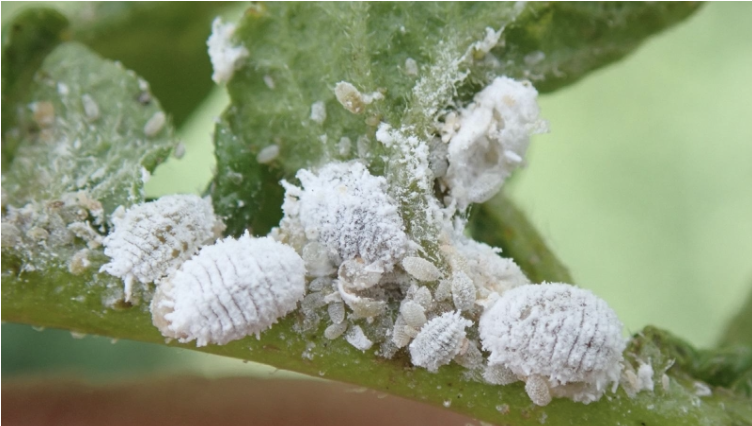
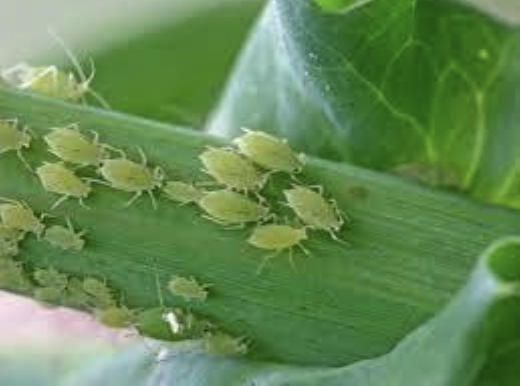
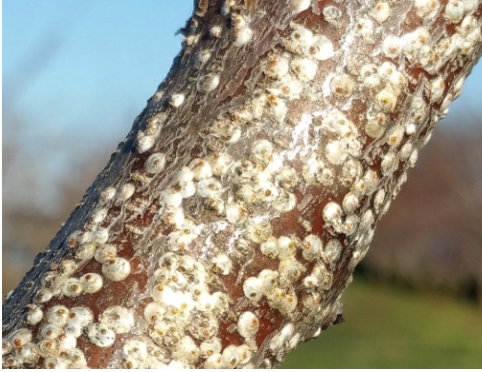
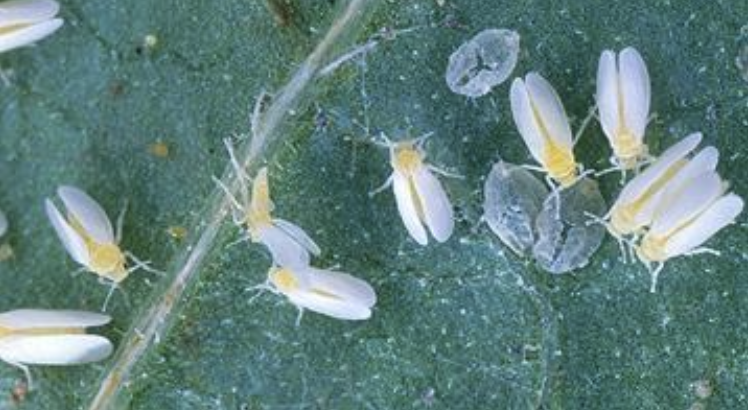
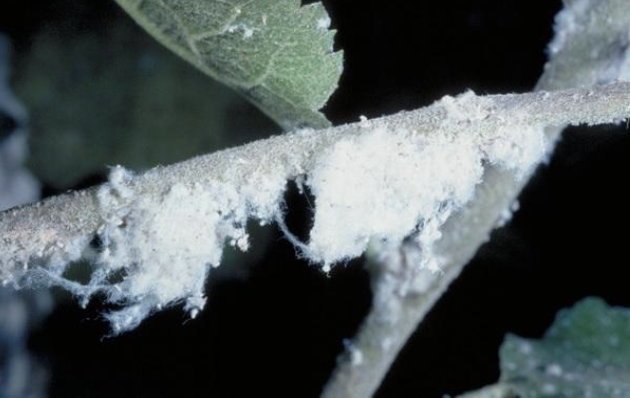
Mealybugs, whitefly, aphids, and scale are all sap-sucking insects that love to help themselves to the buffet of nutrient-rich sugars running through your fruit trees.
As a result of gorging themselves on your fruit trees’ lifeblood, mealybugs, whiteflies, and aphids also excrete a sugary, sticky substance known as honeydew. Honeydew feeds the growth of sooty mold, which is only a problem if it covers enough of the leaves to block photosynthesis. (Sooty mold can easily be sprayed or wiped off!)
Ants also love honeydew. So much so that they actually farm the aforementioned sap-suckers so that they can harvest all the honeydew they could dream of. In addition to proliferating bug problems, ants can also spread fungal issues throughout your trees. So, while ants are not inherently harmful to your trees, they’re usually a sign of something deeper. If you see ants, take a closer look to see what it is they’re after.
Asian citrus psyllid is a bug you’ve likely heard of here in LA because it spreads Huanglongbing (HLB), a serious disease that can kill citrus trees. However, despite its severity, the chances are low that your tree actually has it. (LA County has strict quarantine rules and we rarely ever see it in our clients’ yards.) If your tree has HLB, it will be pretty obvious and not easily confused with other bug issues. So, like a doctor urging you not to use WebMD to diagnose your own health symptoms, we urge you not to go down an internet rabbit hole on HLB before exploring what else your tree might have.
Why do bugs show up?
Bugs are never the primary issue on a fruit tree, but are rather a secondary symptom of tree stress. Similar to how humans are more susceptible to catching a cold when our immunity is down from high stress, poor diet, or lack of sleep, bugs take advantage of stressed out trees that are less able to fight them off.
What’s the #1 cause of tree stress? Irrigation issues! A fruit tree can get stressed out from too much and too little water. So if you’re seeing a lot of bugs lately, your first step is to check your irrigation and make sure everything is in working order.
Download our Irrigation Best Practices PDF to determine the ideal watering setup for your trees.
Poor soil health can also negatively affect your tree’s overall health, especially if the soil in the rootzone is very compact as that likely means the tree is unable to absorb water and nutrients. Regular applications of compost, mulch, and compost tea improve soil texture and keep your trees happy and healthy.
Our holistic approach to battling your bugs
Whether it’s wooly aphids on your Apple tree or scads of scale on your Satsuma Mandarin, we target all bugs the same way because we believe in holistic plant healthcare that takes into account the entire ecosystem and focuses on long-term prevention of pests.
If bugs show up due to poor tree health, the first step is to boost your tree’s immune system by auditing irrigation and improving soil health with compost and mulch. The next step is to spray for pests using a blend of compost tea, bamboo/wood vinegar, and Arber bio insecticide—plus a dash of castille soap to help everything stick. (Tip: you can get a leg up on scale infestation by dipping a rag in hydrogen peroxide and physically rubbing off as much of the scale as possible.)
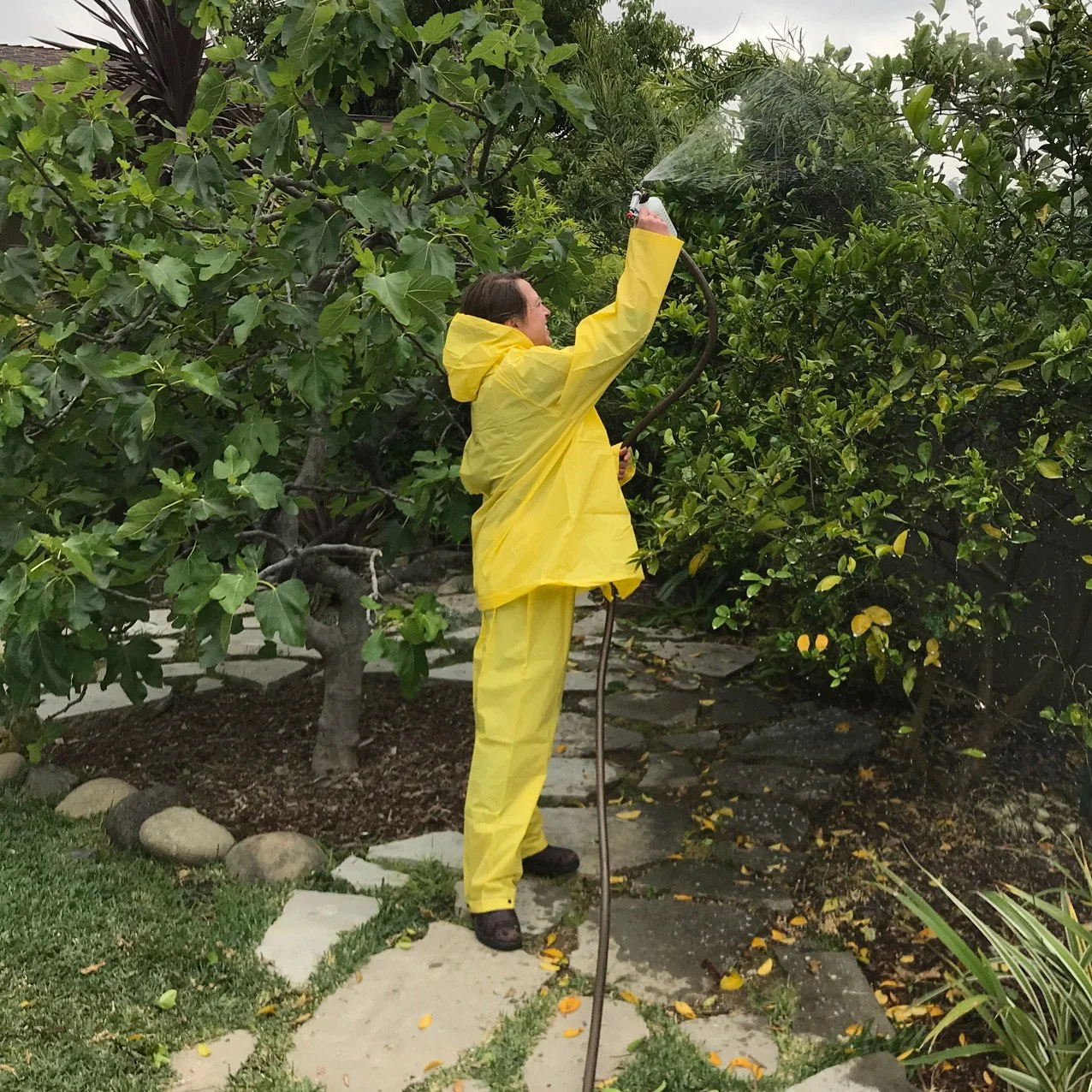
We only use organic, synthetic-free products to ensure that everything we apply is 100% safe for kids, pets, and beneficial insects like pollinators.
Because we take a holistic, all-natural approach to pest management, our pest sprays are not a one-and-done panacea. Holistic treatments require consistency (usually 1 spray/week for 3-4 weeks), but we think the extra time is well worth it. Wiping out an entire species with something toxic risks creating an imbalanced environment, thus leaving the ecosystem susceptible to even more future issues.
For example, long-term use of neem oil can suppress beneficial soil microorganisms and heavy applications can clog the stomata of your tree’s leaves, which can hamper the tree’s ability to breathe and photosynthesize.
Prolonged use of copper fungicide can also harm your soil’s microbiome and cause phytotoxicity, which is why we prefer Arber’s bio fungicide for fungal issues.
At the end of the day, bugs are a sign that your tree needs some TLC and our goal is to help you grow healthy trees that can resist pest infestations naturally.

We love Arber products! Order online and save 5% with code ‘FRUITSTITUTE’
Is your tree overrun with a lot of bad bugs? Email us at info@fruitstitute.com to have us come out for a cycle of holistic pest sprays.